
Sessions
You are here: Home / Sessions / Session One

Session 1: Latest developments across the
patient journey
Author/ Session/ 20 September 2025
Living with MS and related neurological conditions is often described as a journey. And each step is an important milestone with unique challenges.
To open this year’s Patient Community Day, our panel of experts took a tour of the patient journey, from diagnosis to treatment and rehabilitation, sharing the latest updates along the way.
Panellists
- Alvaro Cobo Calvo, Neurologist, Vall Hebron Institut de Recerca, Spain
- Amy Perrin Ross, MS Nurse, Loyola University Medical Center, USA
- Bruno Stankoff, Neurologist, ECTRIMS President, France
- Gabriel Bsteh, Neurologist, ECTRIMS Committee Member, Austria
- Joelle Massouh, MS Nurse, Harley Street Medical Center, United Arab Emirates
- Roshan das Nair, Researcher, University of Nottingham, UK
- Sudarshini Ramanathan, Neurologist, Concord Hospital, Australia
Diagnosis
For most people, the journey of living with a neurological condition starts at diagnosis. Often, it follows weeks, months, or even years of uncertainty.
In recent years, researchers and doctors have been working hard to improve diagnosis. They have used new knowledge to help spot the conditions faster, so they can provide effective treatments earlier.
Key learnings:
- Better understanding of MS has led to the development of new diagnostic guidelines. The updated McDonald Diagnostic Criteria were published in September 2025. They include new guidance on diagnostic markers, or test results, that can help doctors spot MS earlier.
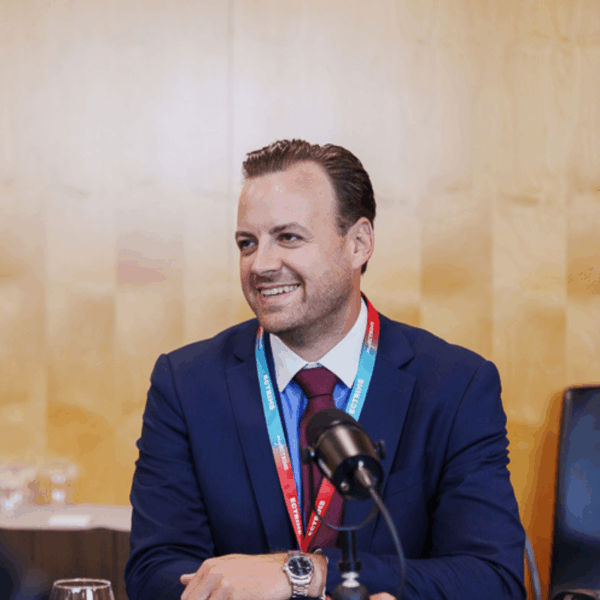
Gabriel Bsteh: “We talk about faster diagnosis, but it also has to be accurate. It is never perfect, but (with the updated criteria) it will be considerably better. There will be fewer people in the ‘maybe it is MS, maybe it is not’ in between stage.”
- Researchers know that people who have central nervous system inflammation (CNS) and antibodies against the aquaporin-4 (AQP4) protein have NMOSD. People who have CNS inflammation and antibodies against the myelin oligodendrocyte glycoprotein (MOG) have MOGAD. But what about people who have symptoms representing these diseases, but no AQP4 or MOG antibodies?Doctors call this double seronegative NMO, or double seronegative NMOSD. At ECTRIMS 2025, researchers said there was “space to include” people with double seronegative disease “under the umbrella” of NMOSD. This means more people will have access to care services.
- In the coming years, researchers hope to discover more antibodies or markers that will help them to better diagnose people with double seronegative NMOSD.
Emerging therapies
For many people, the next step after diagnosis is getting on to a disease-modifying therapy (DMT). In MS, there are now more than 20 available options. Researchers are continuing to look for more powerful therapies, with fewer side effects, as well as new medications for NMOSD and MOGAD.
Key learnings:
- One possible approach that may improve the impact of treatments in MS is developing therapies that are better able to access the CNS, which is the brain and spinal cord:
- Researchers are investigating CAR-T cell therapies. In the context of MS, CAR-T cells are immune cells that have been genetically engineered to find and eliminate the B cells that attack the CNS. So far, although this strategy has started to be used extensively as a cancer therapy, our understanding of if and how it will work in MS is limited.
- One possible approach that may improve the impact of treatments in MS is developing therapies that are better able to access the CNS, which is the brain and spinal cord:
- Another potential treatment approach is remyelination, or repairing the damage MS does to the myelin in the CNS. At ECTRIMS 2025, delegates learnt more about how the damage happens and how it can be repaired. This knowledge may help researchers develop remyelination treatments.
- Another study looked at two existing drugs, the diabetes medicine, metformin, and the antihistamine, clemastine, in people with relapsing-remitting MS. Early results suggest the combination can repair myelin damage, although the effect was small.
- This is now the third clinical trial to have shown that myelin repair is possible in people living with MS. This is a positive sign, but it is only a first step towards a possible remyelination treatment for MS. More trials are needed to better understand what compounds are the best and how long they need to be administered for to deliver the most significant benefits
- Another potential treatment approach is remyelination, or repairing the damage MS does to the myelin in the CNS. At ECTRIMS 2025, delegates learnt more about how the damage happens and how it can be repaired. This knowledge may help researchers develop remyelination treatments.
- In NMOSD, people need ongoing treatment that dampens the immune system. The aim is to stop B cells in the blood from creating the AQP4 antibodies that cause the disease. That’s why researchers have been looking at drugs that clear B cells from the blood. Studies have shown that rituximab and inebilizumab, both of which clear B cells from the blood, may reduce relapse rates.
- Researchers have also been looking at treating the inflammation that damages the CNS. Interleukin-6 receptor (IL-6R) antibodies, like tocilizumab and sarilumab, are already used in other inflammatory conditions. So far, studies have shown that they are better than no treatment, but more research is needed to find out exactly how well they work.
- Researchers have also started to look at stem cell transplantation and CAR-T cell therapies in NMOSD, but it is too early to tell if they are effective.
- Some researchers are looking at rituximab as a way to treat MOGAD. It clears B cells, which create the MOG antibodies that cause the disease, from the blood. So far, the results have been mixed. Some studies found it was useful, but others found it was not. More work is planned to find out more.
- Two studies are looking at drugs that aim to stop the body “recycling” the MOG antibodies in the blood: rozanolixizumab and satralizumab. Researchers expect to see the results soon.
Sudarshini Ramanathan:“I think the field of MOGAD is younger, but hopefully, in the coming years, we can move that along quickly.”
Specialist nurse support
This year’s ECTRIMS programme for nurses included a dedicated session on shared decision making, with MS specialist nurse panellists Amy Perrin Ross and Joelle Massouh.
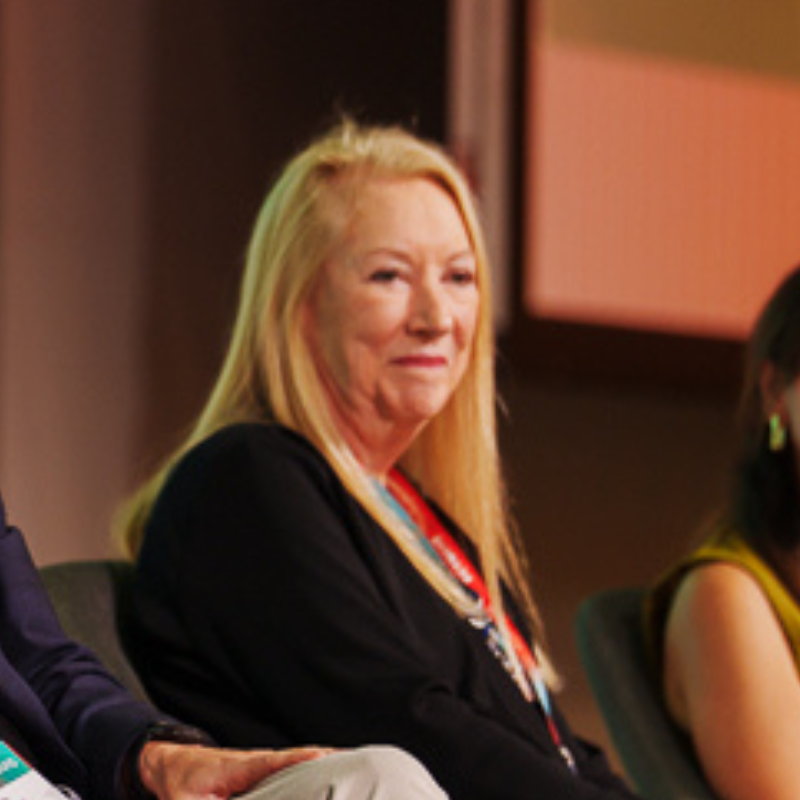
Amy Perrin Ross: “Shared decision making is not the healthcare professional offering information or suggestions about what people should do, or should take, or should try. It is about actively engaging in conversation with the person with MS, their families, and their care partners, to come to a mutual decision about what is the best treatment for them.”
Key learnings:
- People living with MS and related neurological conditions should be part of the conversation about their care.
- The number of DMTs now available for MS can make choosing between them overwhelming. Specialist nurses and advanced practitioners can help people navigate the choices and make informed decisions.
- Healthcare professionals and patients often have very different priorities when making treatment decisions. Amy’s advice was to “actively engage in discussion with healthcare providers” so “you can be part of that shared decision making.”
Rehabilitation
This year’s ECTRIMS Annual Congress was a joint meeting with Rehabilitation in MS (RiMS), the European network for best practice and research in MS rehabilitation.
Topics included mental health, exercise, ageing, cognition, and things people can do in their everyday lives to live well with a neurological condition, including with the use of new digital health technologies.
Key learnings:
- Mobile phone apps can be used for remote rehabilitation services. This could help to ease pressures on healthcare systems, and ensure people get the care they need no matter where they live.
-
- Mobile phone apps can also help monitor the impact of rehabilitation. People can, for example, track their steps on a fitness app to see if their activity levels increase after taking part in a physical rehabilitation programme.
-
- Some of the things that happen to the brain as we get older are similar to the things that neurological conditions such as MS do to the brain. It can be hard to tell the difference between the two. Some brain health rehabilitation approaches – such as eating a balanced diet and keeping active – can help alleviate cognitive (ie thinking) problems, whether they are caused by ageing or a neurological condition.
-
- It was emphasised that rehabilitation should be something that is implemented from the earliest possible stages. It is much better to take a preventative approach that maintains and preserves function, rather than trying to regain it after symptoms appear and it starts to get lost.
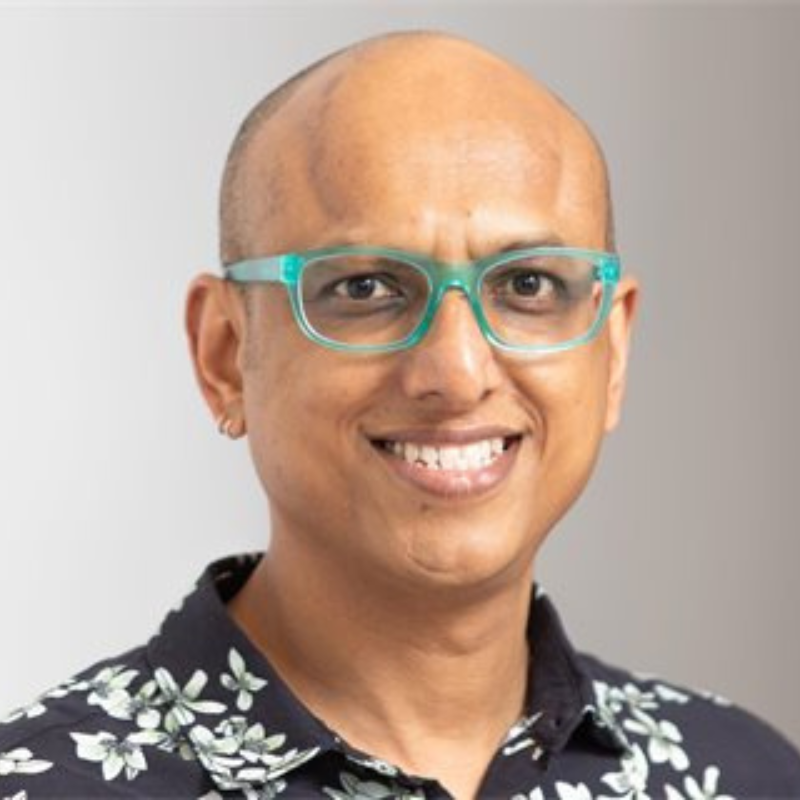
Roshan Das Nair: “Mental health and psychological well-being is sometimes a taboo subject… but there are lots of people who experience difficulties. The key thing is to monitor yourself and how you are feeling because there are things that can be done. We have very effective treatments: not just drugs but psychosocial treatments that enable people to better deal with anxiety and depression.”